
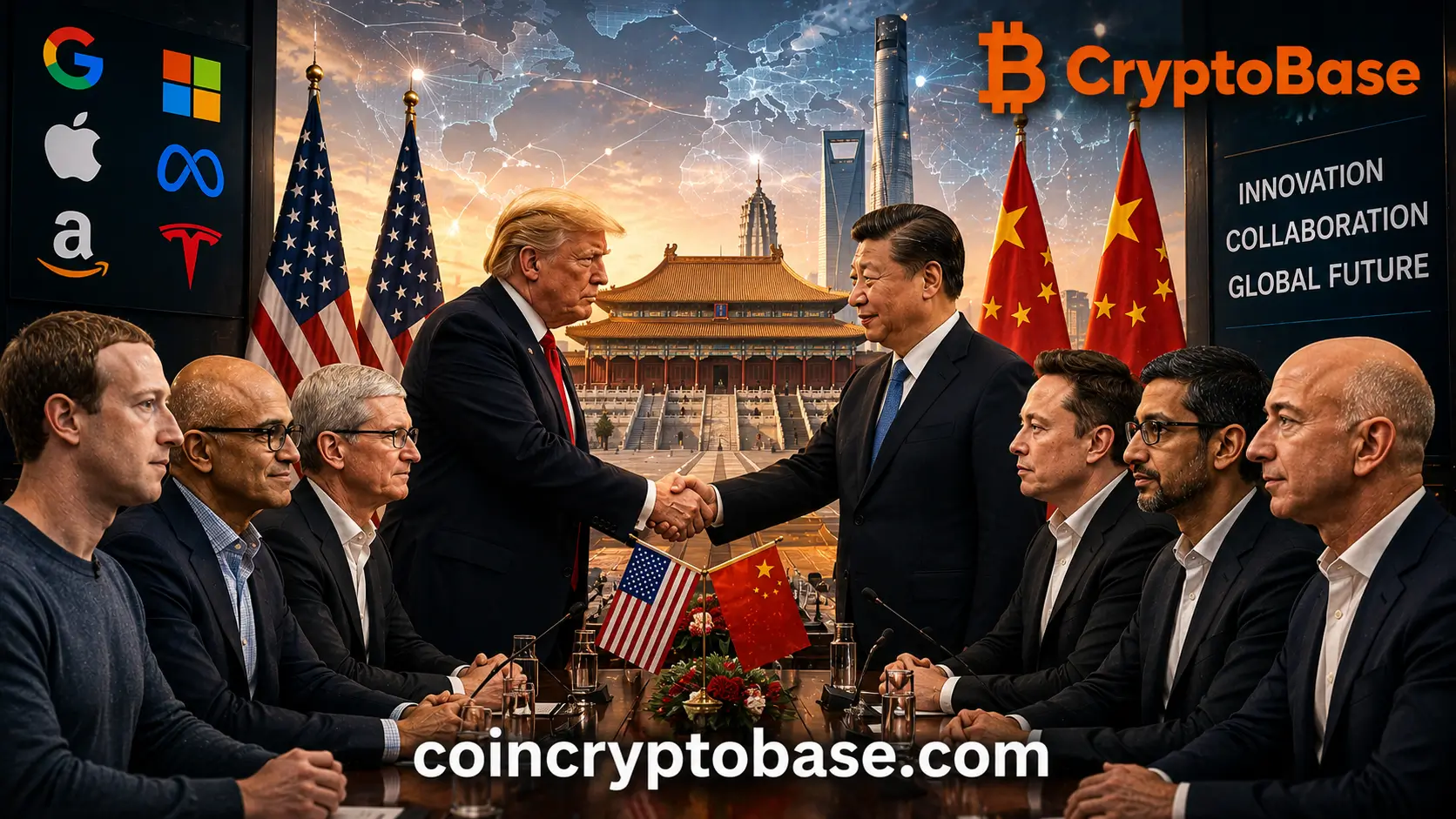
The world watched as a delegation of prominent American tech CEOs accompanied President Trump on his crucial trip to Beijing, a visit aimed at high-stakes discussions with Chinese President Xi Jinping. This unprecedented convergence of political and technological power signifies a pivotal moment in US-China relations, particularly concerning the rapidly evolving global digital landscape. The presence of Silicon Valley‘s most influential figures underscores the profound economic interests and strategic challenges at play, setting the stage for potential breakthroughs or deepening divides in critical areas from trade to technology.
A New Era of Digital Diplomacy: Why Tech Leaders Matter
The inclusion of tech industry titans on such a high-profile diplomatic mission is no mere coincidence. These CEOs represent companies that are not only economic powerhouses but also shapers of global innovation and digital infrastructure. Their participation highlights the intertwined nature of technology and international policy, especially as both nations vie for supremacy in artificial intelligence, 5G technology, and data management. Their direct involvement offers a unique channel for addressing specific industry concerns, seeking favorable market conditions, and influencing the narrative around intellectual property protection and cybersecurity.
Navigating the Great Firewall: Market Access and Data Dynamics
For years, American tech companies have faced significant hurdles in accessing the vast and lucrative Chinese market, often battling restrictive regulations, censorship, and intense local competition. The discussions during this summit undoubtedly centered on improving market access, reducing trade barriers, and ensuring a more level playing field. Key agenda items likely included data localization requirements, cross-border data flows, and the ever-present challenge of navigating China’s stringent internet regulations, often dubbed the “Great Firewall.” The CEOs’ presence provided an opportunity to advocate directly for policies that could unlock unprecedented growth opportunities.
Beyond Trade: AI, Intellectual Property, and Global Tech Dominance
While trade imbalances remain a hot topic, the summit’s technological focus extended far beyond traditional goods and services. The future of artificial intelligence, intellectual property rights, and the ethical implications of emerging technologies were central to the dialogue. American tech companies are deeply concerned about the protection of their innovations in China, making IP safeguards a top priority. The collaboration or competition in AI development also has profound implications for global leadership and national security, making these conversations critical for defining the future trajectory of global technology.
The Geopolitical Chessboard: Implications for US-China Tech Relations
This meeting takes place against a backdrop of escalating geopolitical tensions and a burgeoning technological rivalry between the two superpowers. The presence of tech CEOs underscores the strategic importance of technology as both a tool for economic growth and a potential flashpoint for conflict. Decisions made during this summit could redefine the framework for US-China tech relations for years to come, impacting everything from supply chains and cybersecurity protocols to international standards for emerging technologies. The delicate balance between cooperation and competition was undoubtedly a central theme.
Silicon Valley’s Stake: Opportunities and Ethical Dilemmas
For Silicon Valley, the trip presents a complex array of opportunities and ethical dilemmas. The allure of the Chinese market’s scale is undeniable, promising exponential growth for companies willing to navigate its complexities. However, working within China’s political system often raises concerns about censorship, surveillance, and human rights. The CEOs faced the challenge of balancing commercial interests with their companies’ values and the broader democratic principles of their home country, a tightrope walk with significant global ramifications.
Looking Ahead: The Future of Tech Collaboration and Competition
The outcomes of this high-level summit will reverberate across the global tech industry. Whether it leads to new agreements on intellectual property, relaxed market entry for US firms, or continued strategic competition in critical tech sectors, the dialogue between Trump, Xi, and the tech leaders marks a significant chapter. The long-term implications for innovation, economic growth, and the delicate balance of power in the digital age will continue to unfold, shaping the future of global technology collaboration and competition.
FAQs:
1. Why did tech CEOs join Trump’s trip to China?
To discuss market access, intellectual property, and trade issues with Chinese leaders.
2. Who were some of the tech CEOs present?
Prominent leaders from major US technology firms.
3. What was the primary goal of the tech delegation?
To advocate for improved business conditions and address regulatory challenges in China.
4. How might this trip impact US-China tech relations?
It could lead to new agreements or further highlight existing areas of contention, particularly in IP and market access.
5. What were the key topics discussed with President Xi?
Market access, intellectual property protection, data regulations, and future tech collaboration.