
The geopolitical landscape often delivers surprises, and few could be as monumental as a joint venture between the United States and Iran to charge tolls. Recent statements from former U.S. President Donald Trump have sparked considerable debate and speculation about such an unprecedented collaboration, hinting at a potential paradigm shift in Middle Eastern dynamics and global maritime trade.
The Unprecedented Alliance: A New Era?
The notion of the U.S. and Iran, long-standing adversaries, collaborating on a revenue-generating project like toll collection is, to say the least, astonishing. Decades of strained relations, sanctions, and proxy conflicts have defined their interactions. A joint venture would signal a dramatic departure from this antagonistic past, potentially driven by mutual economic interests or a strategic desire to stabilize vital shipping lanes. This unexpected partnership could reshape alliances and spark new dialogues in a region perennially mired in tension.
Navigating the Waters: Where Will Tolls Be Charged?
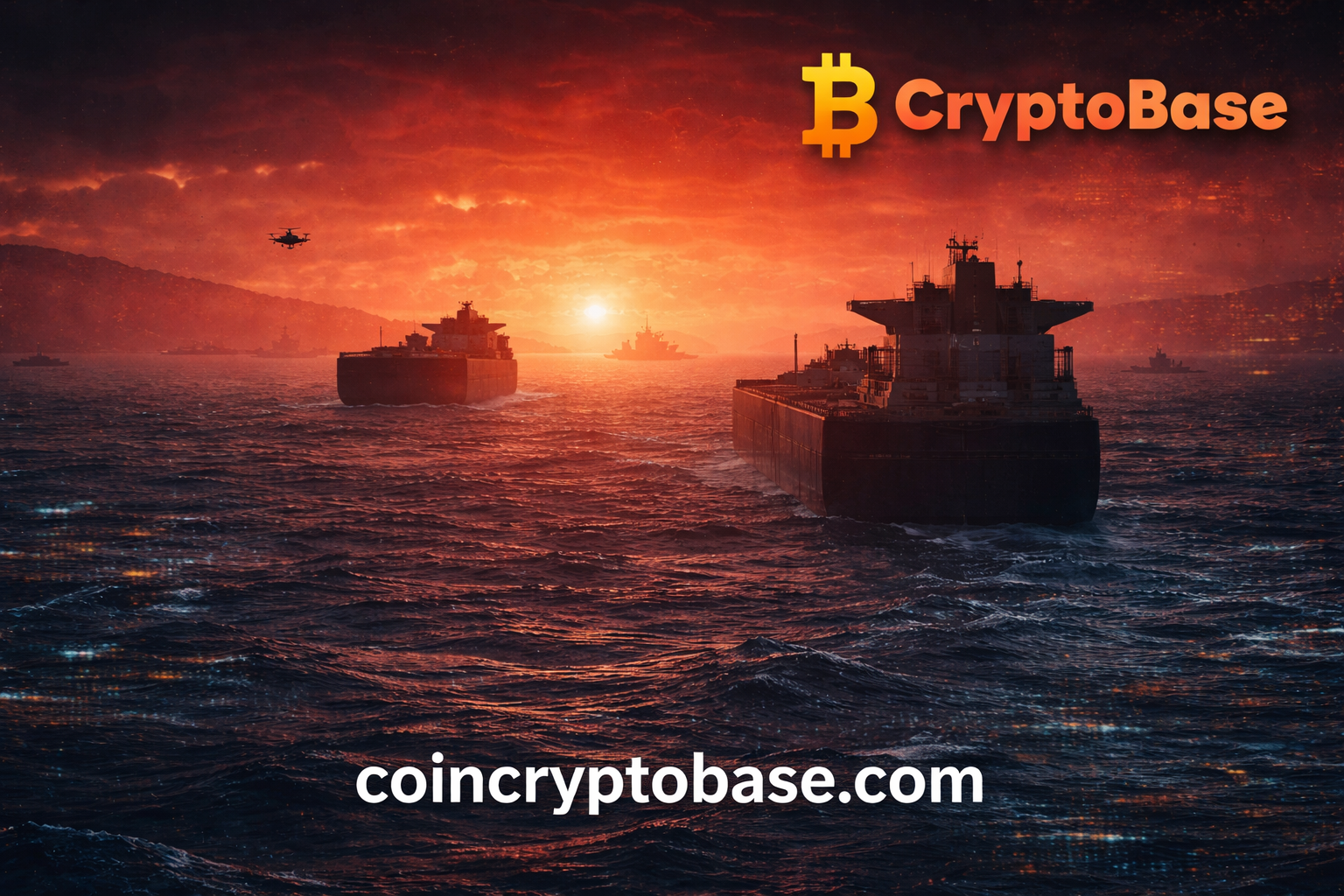
While details remain speculative, the most probable location for such a toll collection initiative would be the Strait of Hormuz. This narrow waterway, connecting the Persian Gulf to the open ocean, is a critical chokepoint for global oil shipments. Approximately one-fifth of the world’s total oil supply passes through it daily. Implementing tolls here would grant significant financial leverage to both nations, allowing them to monetize their strategic geographical positions. Discussions would undoubtedly focus on the logistics, security, and international legality of such an endeavor.
Economic Ripple Effects: Winners and Losers
The economic implications of a US-Iran toll venture are vast. Shipping companies and nations heavily reliant on Middle Eastern oil would face increased operational costs, which could lead to higher consumer prices for goods and energy globally. Conversely, the revenue generated would be substantial for the U.S. and Iran, potentially fueling infrastructure projects or easing financial pressures. The project could also attract new investments in the region, albeit under highly scrutinized conditions, influencing global trade routes and energy markets.
Geopolitical Chessboard: Stability or Further Tensions?
Such a bold move could either be a catalyst for unparalleled regional stability or ignite further geopolitical complexities. A shared economic interest in the security and profitability of the Strait of Hormuz could foster dialogue and reduce naval confrontations. However, it could also be viewed by other regional powers and international actors as a monopolistic attempt to control a vital international waterway, leading to objections and new strategic alignments. The delicate balance of power in the Middle East hangs in the balance.
Challenges Ahead: Overcoming Decades of Mistrust
The path to actualizing a US-Iran toll venture is fraught with immense challenges. Overcoming decades of deep-seated political mistrust, ideological differences, and the existing sanctions regime against Iran would require extraordinary diplomatic efforts. International legal frameworks concerning maritime passage would need careful navigation, and securing global consensus or at least acquiescence would be paramount. The political will on both sides, and the ability to maintain consistent engagement despite domestic and international pressures, would be tested severely.
What This Means for Global Trade and Energy
If realized, this venture would fundamentally alter global trade dynamics and energy security. It would underscore the evolving nature of international relations, where economic pragmatism can, at times, supersede historical animosity. For businesses and governments worldwide, it would necessitate re-evaluating supply chains and energy procurement strategies. The world watches keenly to see if this audacious proposal moves beyond speculation to become a tangible reality, reshaping the future of maritime commerce.
Frequently Asked Questions (FAQs)
Q1: What is the proposed US-Iran joint venture?
A1: It’s a hypothetical plan for the U.S. and Iran to collaborate on charging tolls in strategic waterways.
Q2: Where might these tolls be collected?
A2: The most likely location discussed is the Strait of Hormuz, a critical oil transit point.
Q3: What are the main economic benefits?
A3: Significant revenue for both nations, potentially impacting global shipping costs and energy prices.
Q4: What are the major challenges to this venture?
A4: Overcoming decades of mistrust, existing sanctions, and international legal hurdles.
Q5: Is this joint venture likely to happen soon?
A5: It remains highly speculative, facing considerable political and logistical obstacles.