

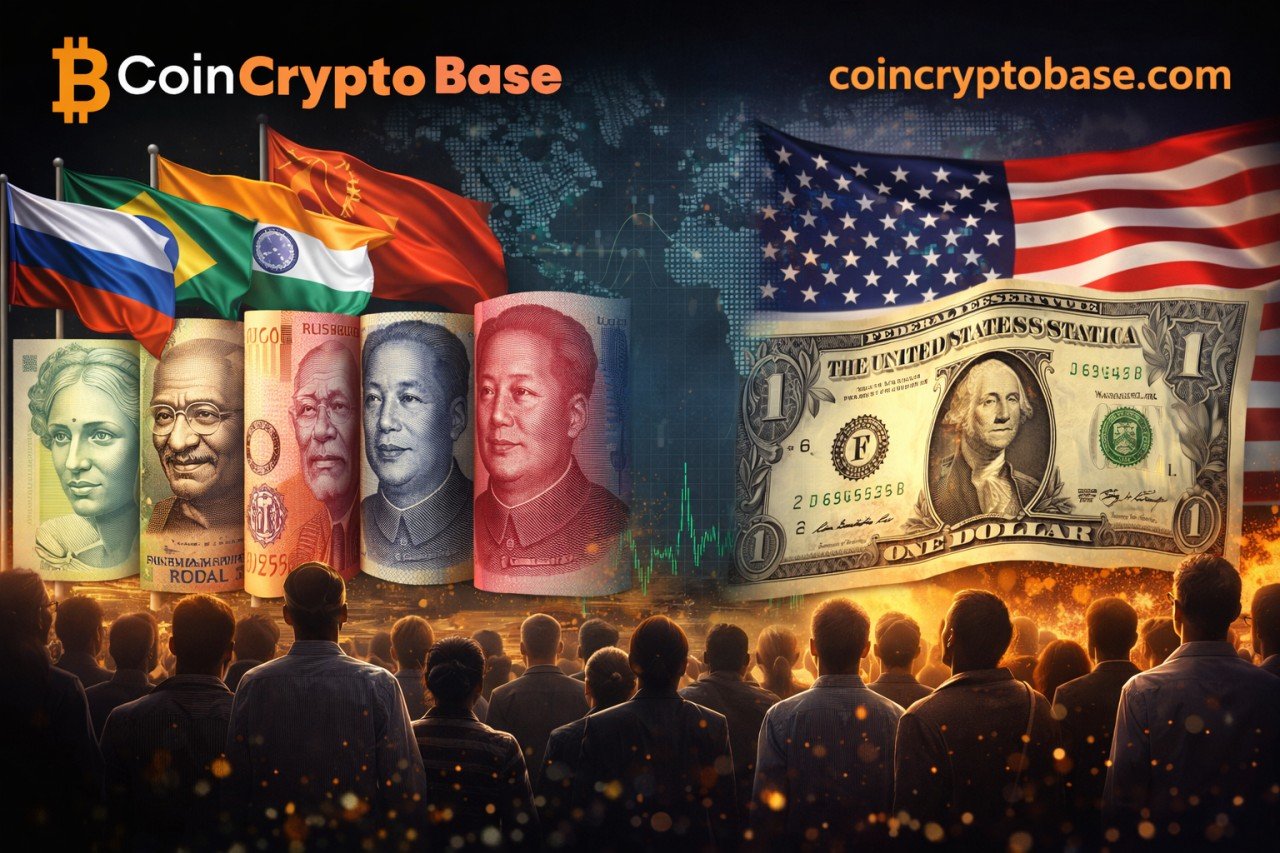
In an increasingly interconnected world, whispers of a new global economic order are growing louder, particularly concerning the rise of BRICS currencies challenging the long-standing dominance of the US dollar. From bustling marketplaces to quiet coffee shops, I embarked on a mission: to gauge the true pulse of ordinary people, understanding their hopes, fears, and opinions on this monumental financial tug-of-war. Is the world ready for a multi-currency future, or will the dollar’s reign continue unchallenged? Let’s dive into what real people are saying.
The BRICS Challenge: A New Era for Global Currency?
The BRICS bloc – Brazil, Russia, India, China, and South Africa – represents a formidable force in the global economy. With discussions intensifying about developing a common currency or increasing trade in local currencies, many wonder if this is the beginning of the end for the dollar’s supremacy. For the average person, this move represents both a promise of greater financial autonomy and a potential leap into the unknown. Some see it as a necessary step to balance global power, reducing dependency on a single nation’s economic policies, while others express caution about the stability and convertibility of new, untested currencies. The allure of economic sovereignty for developing nations is strong, but the practical implications for everyday transactions remain a key concern for many.
The Mighty Dollar: Why It Still Reigns Supreme
Despite the growing calls for de-dollarization, the US dollar remains the undisputed king of international finance. Its status as the primary global reserve currency, its role in commodity pricing, and its perceived stability have cemented its position for decades. For many ordinary citizens worldwide, the dollar is synonymous with safety and reliability, especially during times of economic uncertainty. They trust its convertibility, its widespread acceptance, and its liquidity. Businesses and individuals alike rely on it for international trade, remittances, and savings. However, this reliance also comes with a downside, as people often feel vulnerable to US economic policies and interest rate fluctuations, which can have ripple effects on their local economies and personal finances.
On the Streets: Hopes and Fears for BRICS Currencies
Talking to people from various backgrounds, a common theme emerged: a mix of hope for change and apprehension about instability. “It’s time for other countries to have a say,” a small business owner in India told me, hoping a BRICS currency could simplify trade with other member nations. “We’re tired of our currency fluctuating every time the Fed sneezes.” Conversely, a student in Brazil voiced concerns, “What if a BRICS currency isn’t as stable? How would it affect my savings or studying abroad?” People are largely pragmatic, weighing the potential for greater regional economic integration and reduced exchange rate volatility against the risks of a complex transition and the need for robust, trustworthy financial infrastructure to back any new currency.
The Dollar’s Grip: Everyday Perspectives on Its Enduring Power
Despite the BRICS initiative, many ordinary people still view the US dollar as a bedrock. A shopkeeper in South Africa commented, “When things get tough, people still convert their money to dollars. It’s what they trust.” The convenience and universal acceptance of the dollar for travel, online purchases, and international transactions are strong arguments for its continued use. However, there’s also an undercurrent of resentment. “Why should our economy always be tied to theirs?” a Russian retiree asked, pointing to sanctions and their impact. For many, the dollar is a necessary evil – indispensable for now, but not without its political and economic drawbacks, leading to a desire for viable alternatives that offer similar stability without the associated geopolitical baggage.
Navigating the Future: How Currency Shifts Impact Daily Life
The potential shift in global currency dynamics isn’t just a matter for economists and politicians; it profoundly impacts the daily lives of ordinary people. From the cost of imported goods and the value of remittances to the security of savings and the ease of international travel, every aspect of personal finance could be affected. A more diversified currency landscape could offer greater resilience against shocks in any single economy, but it also introduces complexity. People want clarity on how their pensions, investments, and purchasing power would be protected during such a transition. The conversation isn’t just about geopolitics; it’s about job security, living standards, and the financial well-being of families worldwide.
Conclusion:
My journey to take the pulse of ordinary people revealed a nuanced and often contradictory view of the BRICS currencies versus the US dollar debate. While there’s a clear desire for a more equitable global financial system and reduced reliance on a single dominant currency, there’s also a profound respect for the dollar’s proven stability and an understandable apprehension about venturing into uncharted monetary waters. The future of global finance is undoubtedly at a crossroads, and as central banks and governments deliberate, the voices and daily realities of ordinary citizens must remain at the heart of the conversation. The transition, if it comes, will need to be managed with utmost care to safeguard the financial well-being of billions.
FAQs:
Q: What are BRICS currencies?
A: Refers to local currencies of Brazil, Russia, India, China, South Africa, and potentially a future common currency.
Q: Why do BRICS nations want an alternative to the US dollar?
A: To reduce reliance on the US dollar, promote local trade, and gain more economic independence.
Q: Is the US dollar losing its global reserve status?
A: While its share has slightly declined, it remains the dominant global reserve currency for now.
Q: How would a BRICS currency affect everyday people?
A: It could impact import/export costs, remittances, savings, and international trade convenience.
Q: Is a common BRICS currency already in use?
A: No, a common BRICS currency is still a concept under discussion, not yet implemented.