

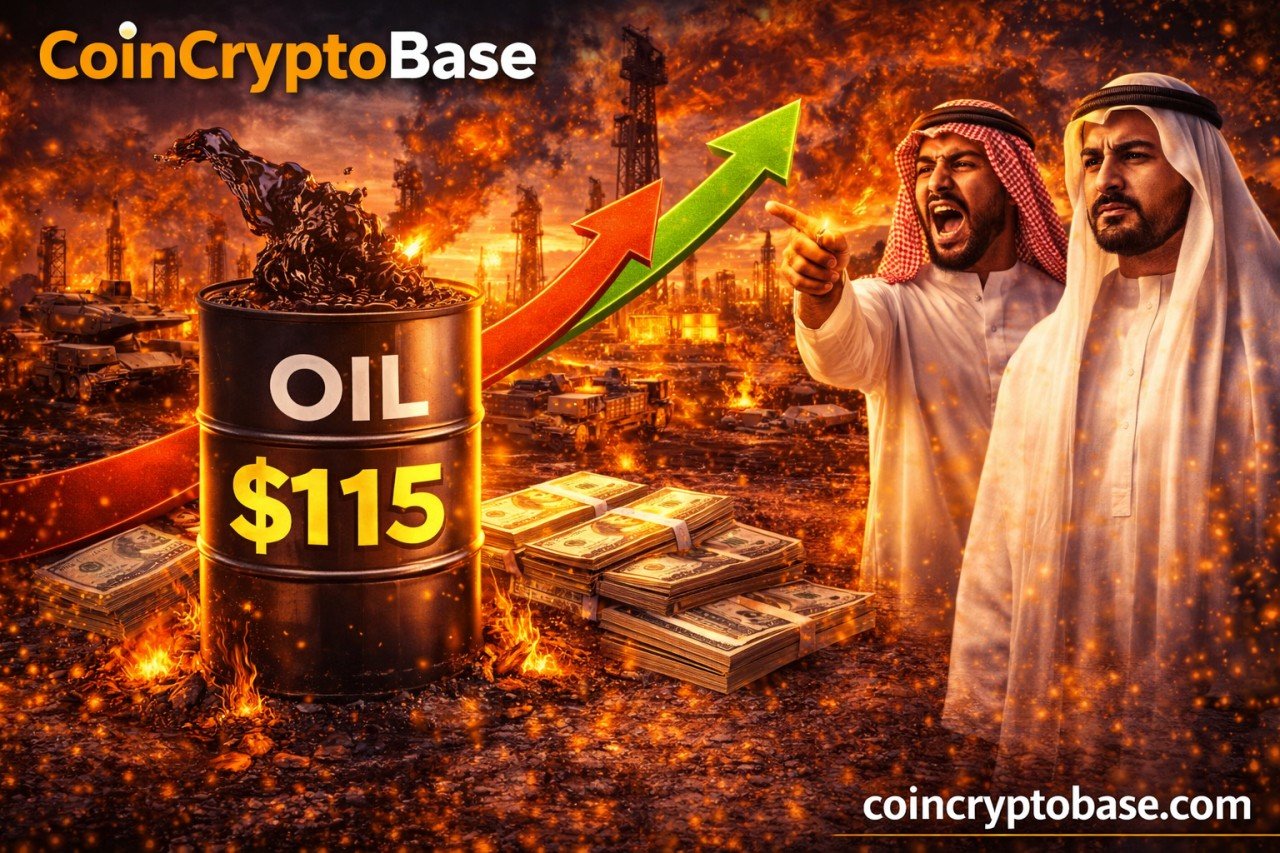
The global energy market is currently experiencing unprecedented volatility as Brent crude oil prices have soared to a record-breaking $115 per barrel. This significant surge isn’t merely a market fluctuation; it’s a direct reflection of escalating geopolitical tensions, particularly those emanating from the Middle East. Understanding the intricate dance between global politics and oil supply is crucial for businesses, governments, and consumers worldwide.
Understanding the Record-Breaking Surge in Brent Crude
Brent crude, a leading global oil benchmark, has hit a staggering $115 per barrel, a level not seen in years. This sharp ascent is primarily driven by fears of supply disruptions rather than a sudden spike in demand. The market is reacting to heightened uncertainty, pricing in the risk premium associated with geopolitical instability in critical oil-producing regions.
Geopolitical Crossroads: Middle East Instability Fuels Price Hikes
The Middle East, a pivotal region for global oil supply, remains a hotbed of geopolitical tensions. Ongoing conflicts, political unrest, and strained international relations in key producing nations directly threaten oil infrastructure and transit routes. These uncertainties lead to supply fears, prompting traders to bid up prices and creating a ripple effect across the global energy landscape.
The Ripple Effect: How High Oil Prices Impact the Global Economy
Elevated Brent crude prices send shockwaves through the global economy. Inflationary pressures intensify as transportation costs for goods and raw materials surge. Manufacturing sectors face increased operational expenses, potentially slowing down production and investment. For developing nations, the burden of higher import bills can destabilize economies, increasing the risk of recessions worldwide.
Consumer Pains: What $115 Brent Crude Means for Your Wallet
For the average consumer, $115 Brent crude translates directly into higher costs at the pump. Beyond fuel, expect an increase in the price of food and other consumer goods due to higher shipping and production costs. Heating bills can also rise, putting a significant strain on household budgets and reducing disposable income across various income brackets.
Supply and Demand Dynamics: OPEC+ and Non-OPEC Responses
In response to soaring prices, attention turns to major oil producers, notably OPEC+. Their decisions regarding production levels become critical. While increased supply could help stabilize markets, geopolitical considerations and production capacities often limit swift action. Non-OPEC producers also play a role, but their collective impact may not be enough to offset significant supply concerns driven by Middle East tensions.
Navigating Volatility: Future Outlook for Oil Markets
The future trajectory of oil prices remains highly uncertain, tethered directly to geopolitical developments. Any de-escalation of tensions could lead to a swift pullback, while further instability could push prices even higher. Market analysts are closely monitoring diplomatic efforts and regional developments, offering varied predictions, underscoring the inherent unpredictability of the current energy landscape.
Investment Implications: Sectors Affected by Surging Oil Prices
High oil prices create winners and losers across various investment sectors. While oil and gas companies might see increased profits, sectors like airlines, logistics, and automotive industries face significant cost pressures. Conversely, renewable energy and energy efficiency solutions may gain renewed interest as businesses and governments seek alternatives to volatile fossil fuel markets.
Strategies for Resilience: Adapting to High Energy Costs
Governments may consider strategic petroleum reserve releases or subsidies to mitigate the impact on consumers. Corporations might explore hedging strategies or optimize supply chains for energy efficiency. Individuals can adapt by exploring fuel-efficient transportation, energy conservation at home, and supporting policies that promote long-term energy stability and diversified energy sources.
FAQs
Why are Brent crude oil prices so high?
Geopolitical tensions, particularly in the Middle East, are causing significant supply concerns and market instability.
What is Brent crude oil?
It’s a major global oil benchmark, primarily sourced from the North Sea, used to price about two-thirds of the world’s internationally traded crude oil.
How do high oil prices affect me?
They lead to increased costs for fuel, transportation, goods, services, and heating, impacting your overall cost of living.
Will oil prices go down soon?
A decline largely depends on the de-escalation of geopolitical tensions and potential increases in global oil supply.
What role does the Middle East play?
As a key oil-producing region, its stability directly impacts global oil supply and, consequently, international oil prices.