

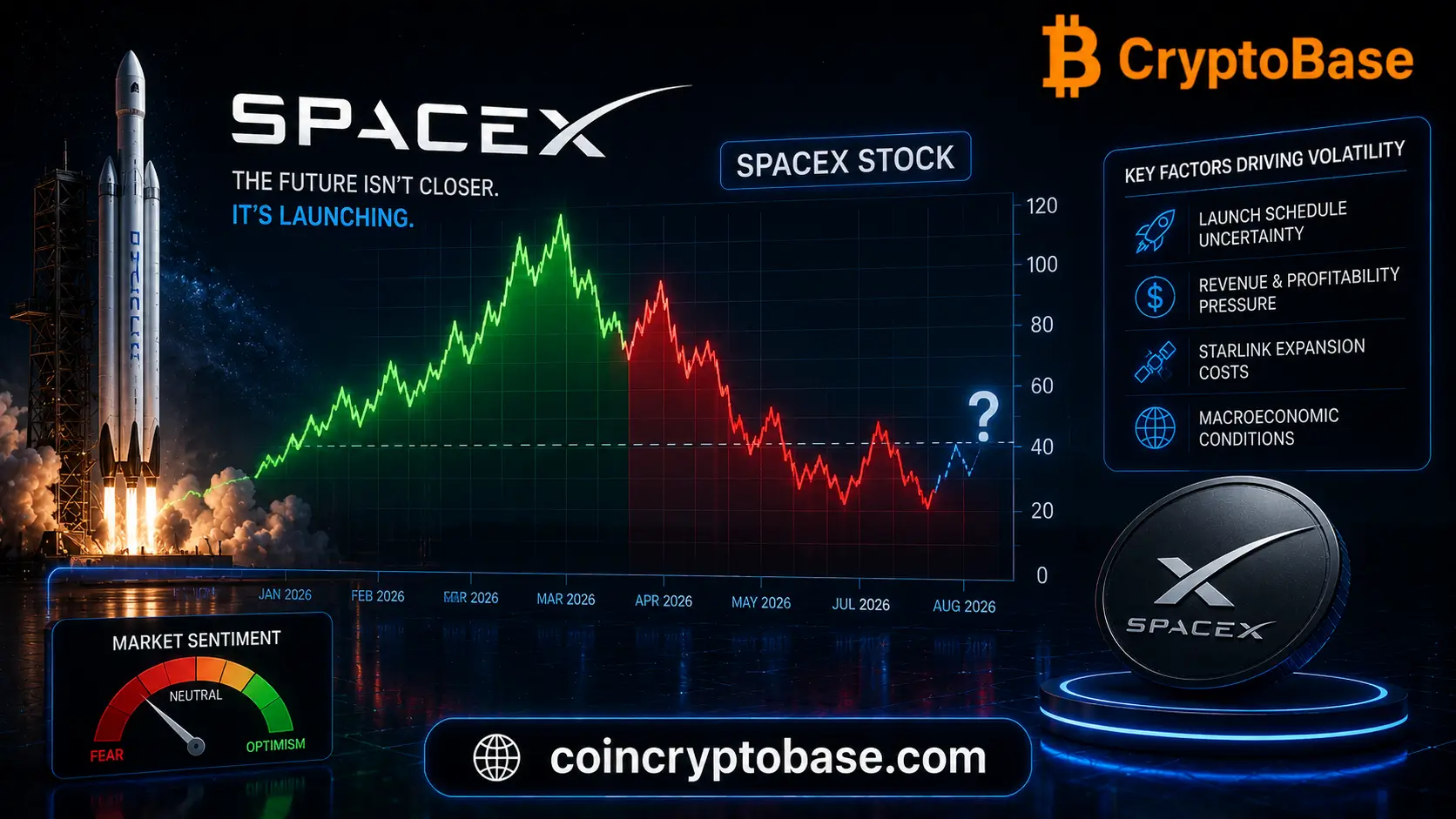
The Burning Question: SpaceX Stock’s Volatility Explained
The private market valuation of SpaceX, a trailblazing leader in aerospace innovation, continues to be a hot topic among investors and industry watchers alike. “How low will SpaceX go before the stock actually settles down?” This fundamental question underpins much of the curiosity surrounding the company’s financial trajectory. Unlike publicly traded entities, SpaceX’s valuation is less transparent, leading to significant speculation and observed volatility in secondary private markets. Understanding the intricate factors at play is crucial for anyone pondering the future stability of this Elon Musk-led venture.
Key Drivers Behind SpaceX Stock Swings
Several unique dynamics contribute to the fluctuating valuations seen for SpaceX stock. As a private company, its shares are primarily traded on secondary markets, where liquidity can be limited and valuations often driven by sentiment, recent funding rounds, and the perceived success of its ambitious projects like Starship and Starlink. The absence of daily public trading volume and regulatory filings means that price discovery is less efficient, making it susceptible to larger swings based on supply-demand imbalances among accredited investors and employees.
Decoding SpaceX’s Private Valuation Puzzle
Valuing a company like SpaceX is inherently complex. Analysts often look at various metrics, including its colossal revenue potential from satellite launches, government contracts (NASA, military), and the rapidly expanding Starlink internet service. However, it’s also a capital-intensive business with ongoing massive research and development expenditures. Comparison to publicly traded aerospace and telecommunications firms offers some benchmarks, but SpaceX’s unique blend of capabilities often defies simple comparisons, contributing to wide-ranging valuation estimates.
Starlink’s Influence on SpaceX’s Market Value
Starlink, SpaceX’s satellite internet constellation, represents a significant portion of its overall valuation and future growth prospects. Its global rollout, subscriber growth, and eventual profitability are critical determinants of investor confidence. Any news regarding Starlink’s operational milestones, technological advancements, or regulatory hurdles can profoundly impact perceptions of SpaceX’s financial health, subsequently affecting its private market stock price. A clear path to sustained profitability for Starlink is key to long-term stability.
The Anticipated SpaceX IPO: What to Expect
While Elon Musk has indicated that SpaceX itself is unlikely to go public until its Mars mission becomes routine, he has suggested that Starlink could eventually be spun off into its own publicly traded entity. Speculation around an eventual Initial Public Offering (IPO) for either Starlink or SpaceX itself remains a major factor influencing current private market activity. The timing, valuation, and structure of any future public offering will undoubtedly be a monumental event, potentially providing a clear settlement point for existing valuations, though also introducing new forms of market volatility.
Navigating SpaceX Investments: A Long-Term Perspective
For those considering or holding private SpaceX shares, a long-term perspective is paramount. The company’s mission is audacious, and its projects require substantial time and capital to come to full fruition. Fluctuations in private market valuations should be viewed within this context of generational goals. Investors are betting on the long-term vision and execution capability of SpaceX to fundamentally reshape human access to space and global connectivity. Patience and a robust understanding of the underlying business fundamentals are essential.
The Path to SpaceX Stock Stability: A Summary
Ultimately, the question of when SpaceX’s stock will “settle down” is tied to a blend of operational milestones, Starlink’s financial performance, the eventual clarity of an IPO strategy, and broader market conditions. Until then, private investors should expect continued dynamism. The “low” point for SpaceX stock isn’t a fixed target but rather a reflection of the evolving risk-reward profile perceived by a limited pool of sophisticated investors. Monitoring company progress and industry developments will be key to understanding its journey towards long-term stability.
FAQs About SpaceX Stock
1. Is SpaceX stock publicly traded?
No, SpaceX is a private company, though its shares trade on secondary markets.
2. How can I invest in SpaceX?
Direct investment is typically for accredited investors in private rounds or through secondary platforms.
3. What factors affect SpaceX’s valuation?
Starship development, Starlink growth, launch contracts, and future IPO speculation.
4. When is SpaceX expected to IPO?
No specific date is set for SpaceX; Starlink may IPO separately in the future.
5. Is Starlink part of SpaceX’s valuation?
Yes, Starlink is a significant component of SpaceX’s overall private market valuation.