
The Shifting Tides: Why Rate Hikes Are Back on the Table
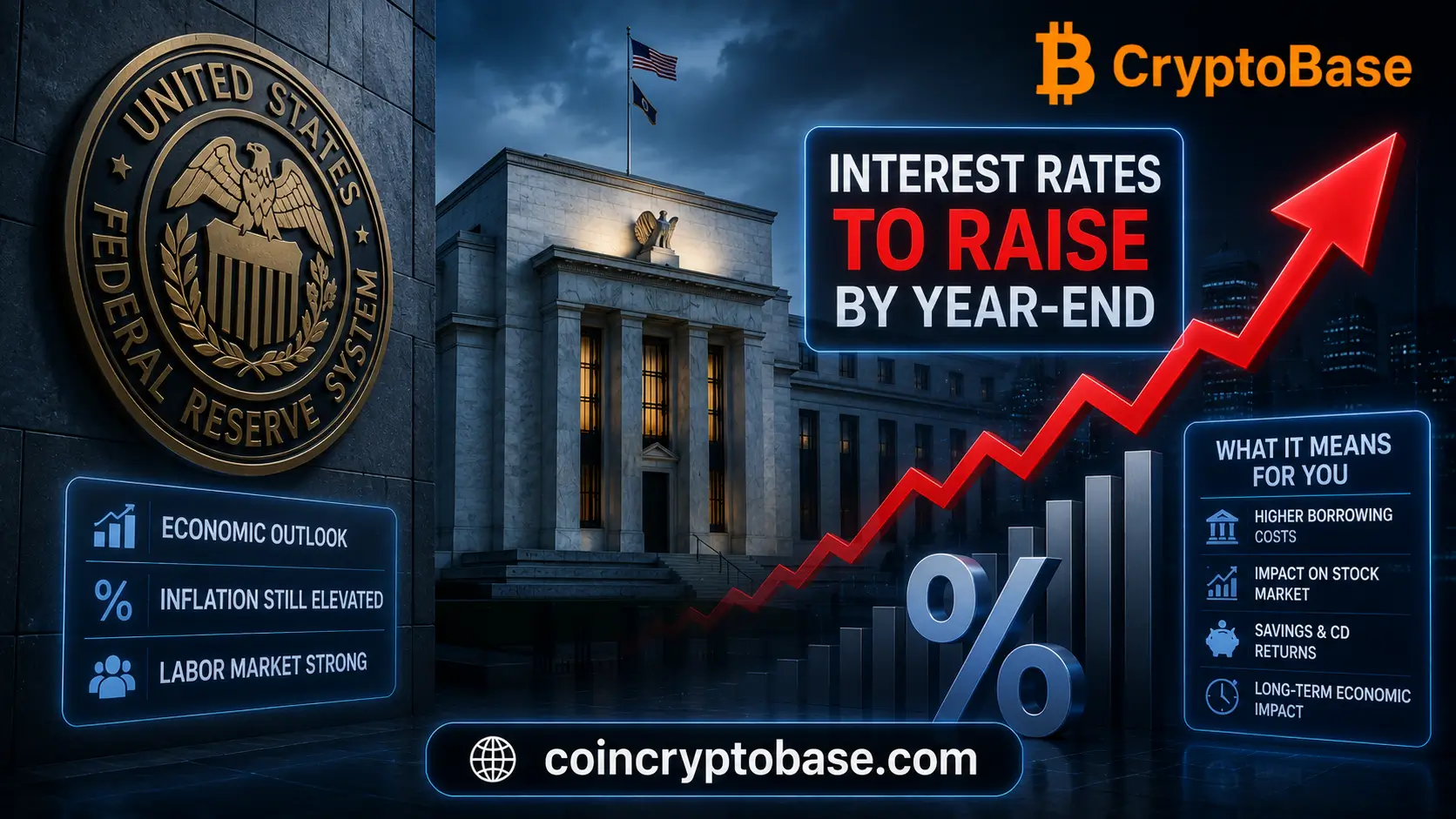
The economic landscape is constantly evolving, and recent signals suggest a significant shift in monetary policy. According to a growing consensus among economists and financial analysts, the Federal Reserve is now widely projected to raise interest rates before the end of this year. This expectation stems from a combination of factors, including persistent inflationary pressures, a robust job market, and a desire to normalize monetary policy after an extended period of historically low rates.
Understanding the Drivers: Inflation and Economic Growth
Inflation has been a dominant theme in recent economic discussions, with consumer prices rising significantly. The Fed’s primary mandate includes maintaining price stability, and current inflation levels are well above their long-term target. Coupled with strong economic growth and a tightening labor market, the conditions are ripe for the central bank to take action. A rate hike is seen as a crucial tool to cool down an overheating economy and bring inflation back under control, preventing long-term economic instability.
Impact on Your Wallet: Mortgages, Loans, and Savings
For the average consumer, a Federal Reserve interest rate hike has tangible implications. Expect to see an increase in borrowing costs across the board. Mortgage rates, auto loans, credit card interest rates, and personal loans will likely become more expensive. Conversely, this could be good news for savers, as deposit rates offered by banks might also see a modest increase, though typically at a slower pace than lending rates. Understanding these shifts is key to making informed financial decisions.
Navigating the Markets: What Investors Should Anticipate
The stock market often reacts sensitively to changes in interest rates. Higher rates can make borrowing more expensive for companies, potentially impacting their profits and growth prospects. Additionally, bonds become more attractive as their yields rise, drawing some investment away from equities. Investors should prepare for potential volatility and consider reviewing their portfolios to ensure they are aligned with their risk tolerance and long-term financial goals in a rising rate environment.
Preparing for the Future: Strategies for Individuals and Businesses
Proactive planning is essential as the prospect of higher interest rates looms. Individuals might consider locking in lower fixed-rate loans now, if feasible, or paying down high-interest debt. Businesses should evaluate their capital expenditure plans and financing strategies, potentially seeking to secure funding before rates climb further. Staying informed about the Fed’s announcements and economic indicators will empower both individuals and businesses to adapt effectively to the changing financial climate.
Frequently Asked Questions (FAQs)
1. What does a Federal Reserve interest rate hike mean?
It means the cost of borrowing money generally increases, influencing everything from mortgages to business loans.
2. Why is the Fed raising interest rates?
Primarily to combat high inflation and cool down an economy that may be growing too rapidly.
3. How will this affect my mortgage?
Adjustable-rate mortgages will likely see increased payments, while new fixed-rate mortgages will become more expensive.
4. Will my savings account earn more interest?
Potentially, but typically at a slower rate than the increase in lending rates.
5. What can I do to prepare for higher interest rates?
Consider paying down debt, locking in fixed-rate loans, and reviewing your investment portfolio.