
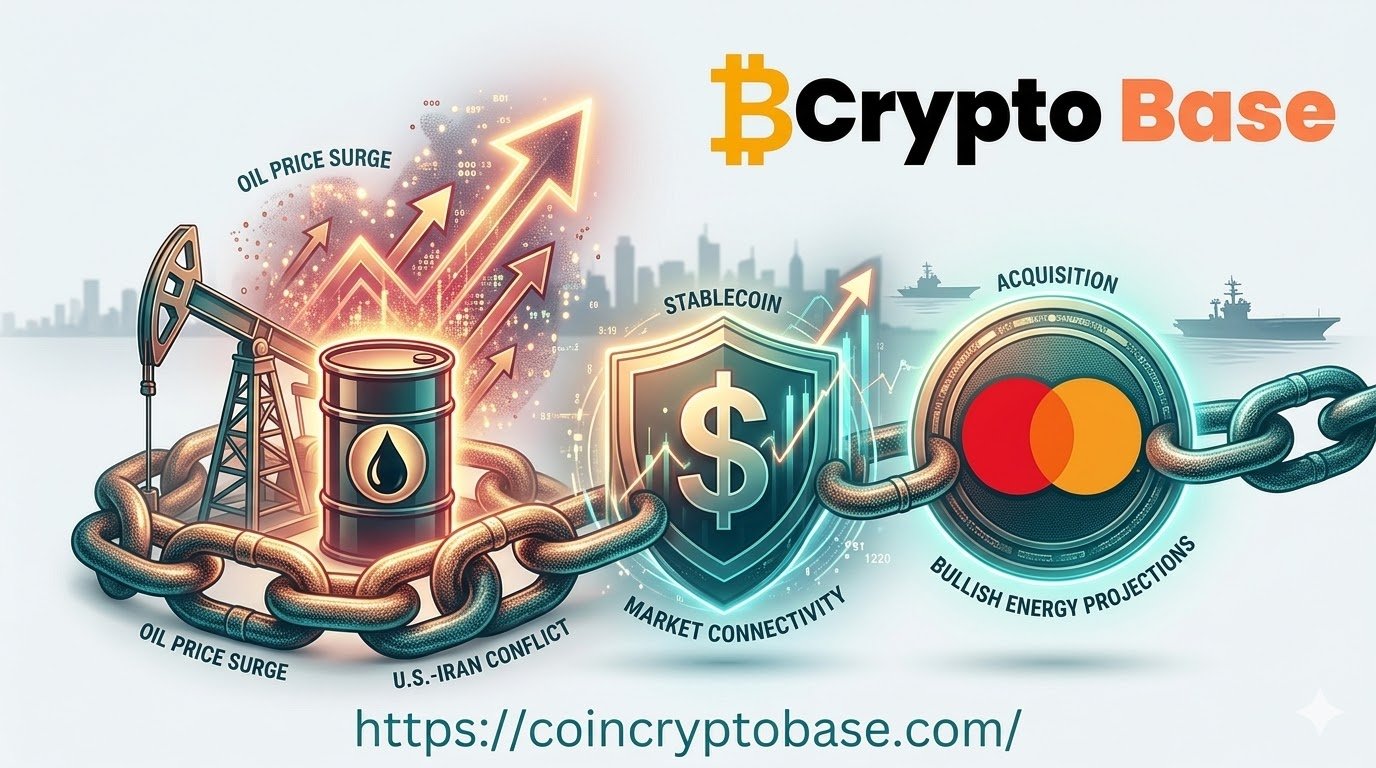
The global energy landscape is currently in a state of flux, largely driven by the ongoing geopolitical tensions between the US and Iran. While conflict typically spells uncertainty, the recent surge in oil prices, directly linked to this heightened animosity, has paradoxically ignited a wave of bullish projections across the energy sector. This intricate dance between geopolitics and market sentiment presents a unique scenario, challenging conventional wisdom and forcing a re-evaluation of future oil price trajectories. Understanding this complex dynamic is crucial for investors, policymakers, and consumers alike.
Geopolitical Tensions Fueling the Crude Oil Surge
The genesis of the current oil price rally is undeniably rooted in the escalating US-Iran conflict. Threats to vital shipping lanes, particularly the Strait of Hormuz, coupled with concerns over potential disruptions to oil production in the Middle East, have sent shockwaves through the global supply chain. This geopolitical risk premium is a significant factor, pushing crude oil benchmarks like Brent and WTI higher as markets price in potential supply shocks. The inherent instability in a region critical for global oil supply creates an environment ripe for price appreciation, attracting speculative capital and long-term strategic investments.
Beyond Conflict: Understanding Supply-Demand Dynamics in Energy Markets
While geopolitical events are a primary catalyst, the underlying supply-demand fundamentals also play a crucial role in sustaining the bullish outlook. Global oil demand, particularly from emerging economies, continues to show resilience, even amidst economic uncertainties. On the supply side, factors such as OPEC+ production cuts, underinvestment in new exploration and production projects, and sanctions on key producers further tighten the market. This delicate balance, where demand remains robust and supply faces constraints, provides a fertile ground for sustained high oil prices, reinforcing the bullish sentiment.
Unpacking Bullish Projections: Why Analysts Remain Optimistic
Despite the inherent risks, many leading energy analysts and financial institutions are maintaining bullish forecasts for oil prices. Their optimism stems from several factors: the persistent geopolitical risk premium, the slow and often difficult process of bringing new supply online, and the potential for a quicker-than-expected rebound in global economic activity. These projections often point to a “supercycle” in commodities, where a confluence of factors drives prices higher for an extended period. The expectation is that even if the immediate conflict de-escalates, the underlying structural issues in oil supply and demand will continue to support elevated prices.
Investment Opportunities Amidst Oil Price Volatility
The current environment, while volatile, presents unique opportunities for investors willing to navigate the complexities of the energy market. Strategies range from direct investments in oil futures and ETFs to equity investments in exploration and production companies, refiners, and even renewable energy firms that might benefit from higher fossil fuel prices. However, due diligence and a thorough understanding of market dynamics are paramount. Diversification and risk management become even more critical when investing in a sector heavily influenced by unpredictable geopolitical events and macroeconomic shifts.
The Long-Term Outlook: A New Era for Global Energy?
Looking beyond the immediate conflict, the prolonged surge in oil prices could herald a new era for global energy. It may accelerate the transition towards renewable energy sources as higher fossil fuel costs make alternatives more competitive. Simultaneously, it could spur renewed investment in conventional oil and gas production in regions less affected by geopolitical instability. This dual impact suggests a future where energy security becomes a top priority, driving innovation in both traditional and green energy sectors, ultimately reshaping the global energy mix.
Navigating the Global Economic Ripple Effect of High Oil Prices
The sustained surge in oil prices has far-reaching implications for the global economy. For net oil-importing nations, higher energy costs can fuel inflation, impact manufacturing, and potentially slow economic growth. Consumers face increased costs for fuel and goods, affecting purchasing power. Conversely, oil-exporting nations stand to benefit from increased revenues, which can be reinvested into their economies. Central banks worldwide will be closely watching these developments, as rising energy costs could influence monetary policy decisions and potentially lead to stagflationary pressures if not managed carefully.
Conclusion
The current bullish projections surrounding oil prices, despite or perhaps because of the US-Iran conflict, underscore the intricate relationship between geopolitics, supply-demand fundamentals, and market sentiment. While the immediate future remains volatile, the confluence of these factors suggests a potential for sustained high prices, offering both challenges and opportunities across the global economy. Adaptability and strategic foresight will be key in navigating this evolving energy landscape.
FAQs:
Q: What is driving the current oil price surge?
A: Geopolitical tensions between the US and Iran, supply-demand dynamics, and production cuts.
Q: Why are there bullish projections despite the conflict?
A: Analysts see persistent geopolitical risk, tight supply, and resilient demand as supportive factors.
Q: How does the US-Iran war affect oil supply?
A: It creates risks of disruption to shipping lanes and production in the Middle East.
Q: What are the economic impacts of high oil prices?
A: Inflation, potential slowdowns for importers, and increased revenues for exporters.
Q: Are there investment opportunities in this environment?
A: Yes, in oil futures, energy stocks, and related sectors, but with careful risk management.